Continuous Resonance Solo Project
Date: 03/10/2015
Instrument: Tenor saxophone
Location: Performance Hall at Chief Sealth High School. Seattle, WA
Notes:
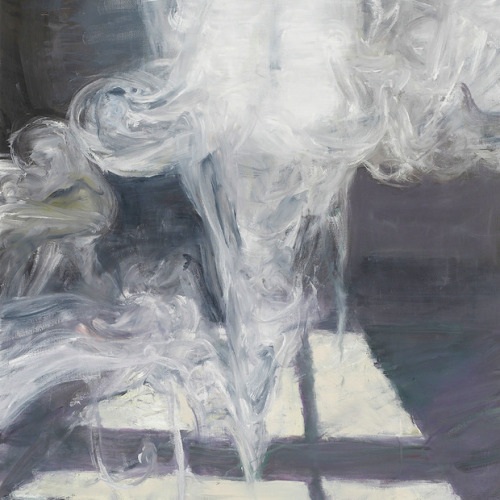
The image accompanying today’s post by Graham Durward
Continuous Resonance Solo Project
Date: 03/10/2015
Instrument: Tenor saxophone
Location: Performance Hall at Chief Sealth High School. Seattle, WA
Notes:
The image accompanying today’s post by Graham Durward
Continuous Resonance Solo Project
Date: 03/08/2015
Instrument: Tenor saxophone
Location: Home studio in Clinton, WA (Whidbey Island)
Notes:
I recorded this improvisation towards the end of a short practice session. During this piece I explored singing a simple melodic framework: 3-5-3-1, alongside an improvised harmonic accompaniment.
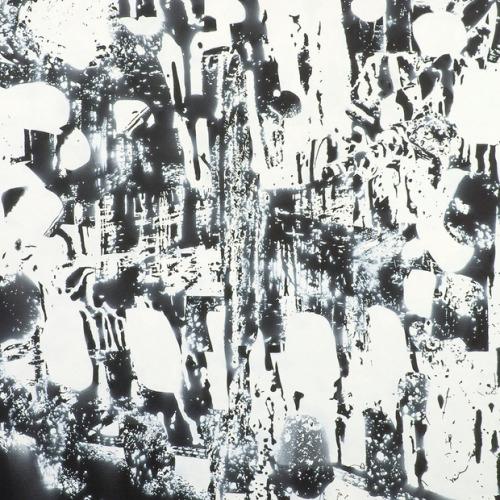
The image “Landscape” (2009) accompanying today’s post by David Ratcliff
Continuous Resonance Solo Project
Date: 03/07/2015
Instrument: Tenor saxophone
Location: Home studio in Clinton, WA (Whidbey Island)
Notes:
This morning I further explored the decay of my practice space. I have 2 remaining weeks to live in this house, and I feel in mourning today to be moving on from my home on the island. This improvisation explores an inner search–a yearning to understand the life changes I am currently facing. The piece focuses on three pitches: Ab, Bb, Eb. They are interpreted freely, as tiny contained units of energy.
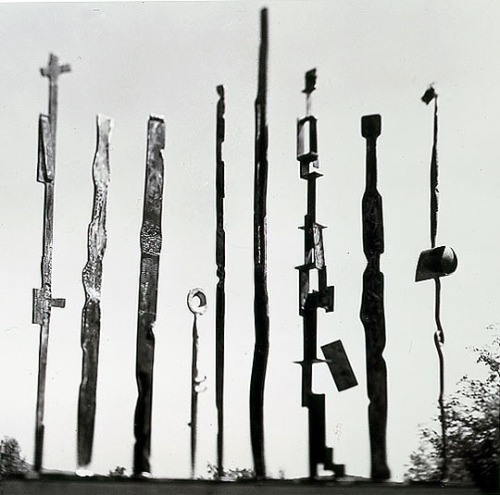
The image “Growup” (1955) accompanying today’s post by David Smith.
Neil Welch, Continuous Resonance Project
Date: 03/06/2015
Location: Home studio in Clinton, WA (Whidbey Island)
Instrument: Tenor saxophone
Notes:
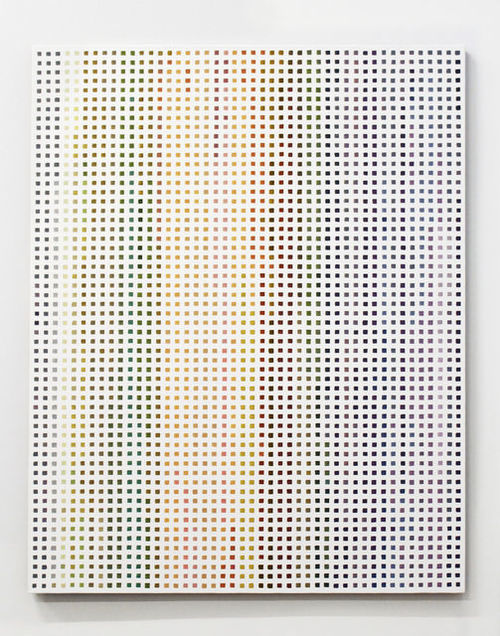
This improvisation further documents the decay of my practice space as I prepare to move out of my house. The room is now nearly empty, save for a small desk, a chair, and a half empty bookshelf.
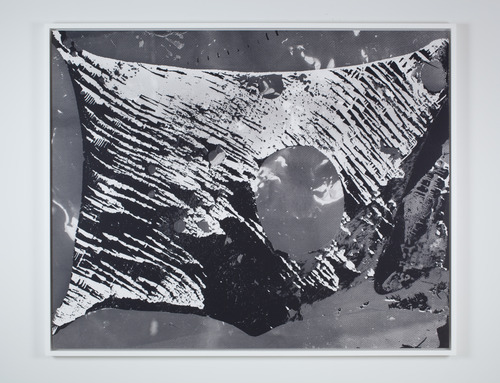
The image accompanying today’s post by Eileen Quinlan.
Neil Welch, Continuous Resonance Project
Date: 03/05/2015
Location: Practice Room B at South Whidbey High School. Langley, WA (Whidbey Island)
Instrument: Tenor saxophone / piano
Notes:
I had a bit of unexpected time to myself between teaching students this morning, and I used it to work on creating cyclical, diatonic actions focused in the key of C major. I wanted to impart a feeling of continuance and some predictability in the scalar motion, but used intermittent tonguing punctuations to break up the phrasing and incorporate the allusion of arpeggiation. I would rise up in the scale, then back off a bit, climb a bit further, then maybe much further up the scale. I largely limited myself to the tenor range of a Low D to a High E for some time, but I eventually began incorporating outside tones into the scalar motion as well, working to create a kaleidoscopic sound.
During this piece I placed my mic setup into the belly of an old upright piano, played with my bell against the shell and put down the sustain pedal.
-Neil
The image accompanying today’s post by Cheyney Thompson