06/06/2014 (Continuous Resonance Solo Project) Improv 2

Neil Welch, Continuous Resonance Project
Date: 06/06/2014
Location: Home studio in Clinton, WA (Whidbey Island)
Instrument: Tenor saxophone
Performed Acoustically

Notes:

Improvisation Two

I recorded two improvisations this morning. In this, the second of the two improvisations, I wanted to create a kind of singular, free flowing melodic line. I wanted it to feel as though it had no beginning or ending, but just a feeling of subconscious motion. The multiphonic chords were intended to be played in such a fashion as to fold their colors into this melodic line rather than try to interrupt it. This folding in of chords is a concept I’ve been working on during my practice sessions lately.

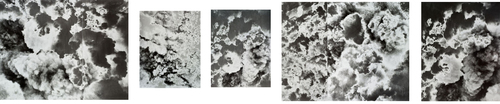
The image “#117 Rochester” by Richard M. Margolis (October 6, 1976).
06/06/2014 (Continuous Resonance Project) Improv 1

Neil Welch, Continuous Resonance Project
Date: 06/06/2014
Location: Home studio in Clinton, WA (Whidbey Island)
Instrument: Tenor saxophone
Performed Acoustically

Notes:
Improvisation One

I worked at developing two different improvisations this morning. Both used single, tempered pitches for the melodic material, and this was the first of the two improvisations. I walked into my practice room battling a very low, melancholic mood that poured from my horn the moment I began playing. I immediately began recording and this piece emerged. What came forth was a kind of quiet, melodic ballad in the key centers of Gb Major and the relative Eb minor. This was largely a very mournful experience improvising this piece, but also with moments of absolute joy. It felt like I had walked an extraordinary journey, though having played for only a few minutes.

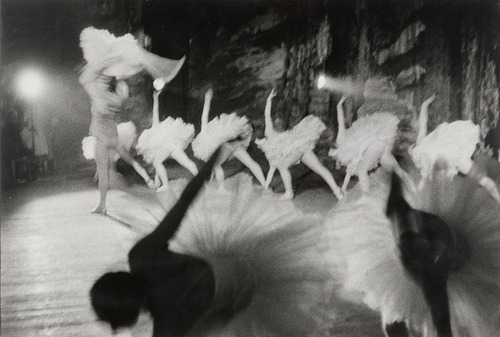
The image “Ballerina” (c. 1950) accompanying today’s post by Sabine Weiss.

06/04/2014 (Solo Improvisation)

Neil Welch, Continuous Resonance Project

Date: 06/04/2014

Location: Home studio in Clinton, WA (Whidbey Island)

Instrument: Tenor saxophone

Performed Acoustically

Notes:

The following image collection by Lisa Oppenheim.  “A Handley Page Halifax of No. 4 Group flies over the suburbs of Caen, France, during a major daylight raid to assist the Normandy land battle. 467 aircraft took part in the attack, which was originally intended to have bombed German strongpoints north of Caen, but the bombing area was eventually shifted nearer the city because of the proximity of Allied troops to the original targets. The resulting bombing devastated the northern suburbs.” (1944/2012)